

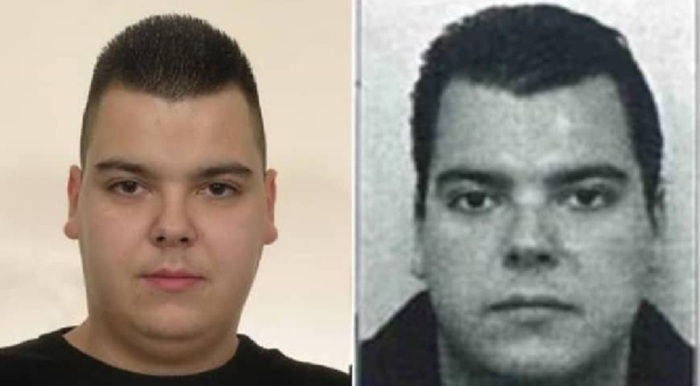
Joseph Johannes Leijdekkers, popularly known as “Bolle Jos”, is one of Europe’s most wanted and notorious drug traffickers.
The Dutch national has been linked to large-scale international cocaine trafficking, violent crimes and contract killings, and has accumulated multiple convictions and lengthy prison sentences in the Netherlands and Belgium.
His name has also featured prominently in investigations into international drug-trafficking networks operating across Europe and West Africa.
His alleged connections to Ghana have now come under renewed scrutiny following the arrest of three suspects by the Narcotics Control Commission (NACOC).
Who is Jos Leijdekkers?
Leijdekkers was born on July 1, 1991, in Breda, Netherlands, and grew up in Prinsenbeek.
He is believed to have entered the criminal underworld at an early age. Reports have linked his family background to drug-trafficking networks, with his father reportedly having connections to criminal contacts operating around the ports of Rotterdam and Antwerp.
Those ports later became important to Leijdekkers’ alleged cocaine-trafficking operations.
By 2018, Dutch authorities had identified him as an influential figure in international cocaine trafficking.
Rise in international cocaine trafficking
Leijdekkers is alleged to have organised major cocaine shipments from Central and South America to Europe, particularly through major European ports.
Investigators have linked him to networks involving corrupt port employees and international criminal contacts who allegedly helped move large quantities of cocaine through European ports.
His activities have been connected to several major drug investigations in the Netherlands and Belgium.
Authorities have also alleged that his criminal network was involved in violent activity designed to protect drug-trafficking operations and eliminate rivals.
Early violent crime conviction
Leijdekkers’ criminal record extends beyond drug trafficking.
In 2011, he was sentenced to six years in prison over a shooting in Scheveningen. A rival was shot during the incident while another person was wounded.
He later became linked to several major criminal investigations as his alleged role in international cocaine trafficking expanded.
Among the cases associated with him are the Cherokee case in Amsterdam-Zuidoost and investigations surrounding the disappearance of Naima Tante Jillal in 2019.
Wanted across Europe
Leijdekkers has been on the Dutch National Most Wanted List and the EU Most Wanted List since May 2022.
His continued ability to evade arrest despite multiple convictions has made him one of Europe’s most prominent fugitive drug-trafficking suspects.
He has been convicted in absentia in both the Netherlands and Belgium and has received several lengthy prison sentences.
Major convictions in Belgium and the Netherlands
Leijdekkers’ criminal record has continued to grow through a series of prosecutions in European courts.
In February 2024, a Belgian court in Genk sentenced him to 12 years in prison and ordered significant asset forfeiture in a case involving a front company allegedly used for drug trafficking.
Four months later, on June 25, 2024, he was sentenced in the Netherlands to 24 years in prison for international cocaine trafficking and ordering a murder.
On September 26, 2024, he received another 10-year prison sentence in Antwerp in the Dossier-Zwemmer case.
His convictions continued into 2025.
On February 25, 2025, he was sentenced to 13 years in prison over a cocaine robbery at Antwerp customs.
On June 20, 2025, an Antwerp Court of Appeal sentenced him to another seven years for importing at least 100 kilogrammes of cocaine.
€126 million criminal proceeds
Leijdekkers has also faced major financial penalties linked to his alleged drug-trafficking activities.
On July 14, 2025, a Rotterdam court determined that he had obtained more than €126 million in criminal proceeds.
The court imposed a repayment obligation of approximately €96.7 million.
The financial order reflected the scale of the drug-trafficking activities attributed to him by prosecutors and the courts.
More cocaine convictions in 2025 and 2026
The convictions did not end with the major sentences handed down in 2024 and early 2025.
On September 23, 2025, a court in Dendermonde sentenced Leijdekkers to eight years in prison for importing approximately 3,500 kilogrammes of cocaine.
On January 16, 2026, he received another seven-year sentence in Antwerp in the Hippix case.
Then, on May 19, 2026, a Dendermonde court sentenced him to another eight years in prison, imposed fines and banned him from ports for 10 years.
That case involved the importation of approximately 11,000 kilogrammes of cocaine.
Several alleged accomplices were also handed prison sentences and fines.
Alleged presence in Sierra Leone
Leijdekkers has attracted significant attention outside Europe because of reports about his alleged presence in West Africa while he remained wanted by European authorities.
In early 2025, Dutch media published footage allegedly showing Leijdekkers in Sierra Leone during a New Year’s church service.
The footage reportedly showed him near Sierra Leonean President Julius Maada Bio and First Lady Fatima Bio.
Additional footage allegedly showed him interacting with senior officials.
The revelations generated controversy in Sierra Leone, with reports that the country’s immigration chief was subsequently dismissed.
Alleged political connections
Leijdekkers’ reported activities in Sierra Leone also triggered claims about his alleged connections to people close to the country’s political establishment.
Media reports linked him to Agnes Bio, the daughter of President Julius Maada Bio, and alleged that he had used aliases while receiving protection from local actors.
Some reports further alleged that he fathered a child with the president’s daughter.
These claims have been widely reported but should be treated as allegations unless independently established by competent authorities or courts.
Sierra Leonean authorities have reportedly denied knowledge of Leijdekkers’ presence in the country despite requests from Dutch authorities.
Why Ghana is now involved
Leijdekkers’ name has now surfaced in a new investigation involving Ghana.
The Narcotics Control Commission (NACOC) has arrested three suspects accused of representing and facilitating the activities of the Dutch fugitive drug trafficker in Ghana.
The arrests followed the seizure of a major cocaine shipment by French customs, which authorities believe may be connected to a wider international trafficking network.
NACOC said the three suspects are currently in its custody and are assisting investigators in determining their alleged roles in the operation.
NACOC investigation
The Commission said the arrests form part of its efforts to disrupt international drug-trafficking networks operating in or through Ghana.
Investigators are expected to examine the suspects’ alleged links to Leijdekkers, their activities in Ghana and any connections they may have had with the wider international network.
The case could also shed further light on whether Ghana was being used as a transit point, operational base or connection point for activities allegedly linked to the fugitive.
Why ‘Bolle Jos’ is significant
Leijdekkers’ significance to international law enforcement lies not only in the quantity of cocaine attributed to his network but also in the alleged breadth of his international connections.
He has been convicted in multiple cases involving cocaine trafficking, has faced allegations of violent crime and has accumulated prison sentences running into several decades.
Despite being wanted by authorities, he has reportedly managed to remain outside the reach of Dutch and Belgian law enforcement for years.
The latest arrests in Ghana therefore add another West African dimension to the long-running international pursuit of “Bolle Jos” and could provide investigators with new information about the structure and reach of his alleged trafficking network.
Source: Ghanaweb