

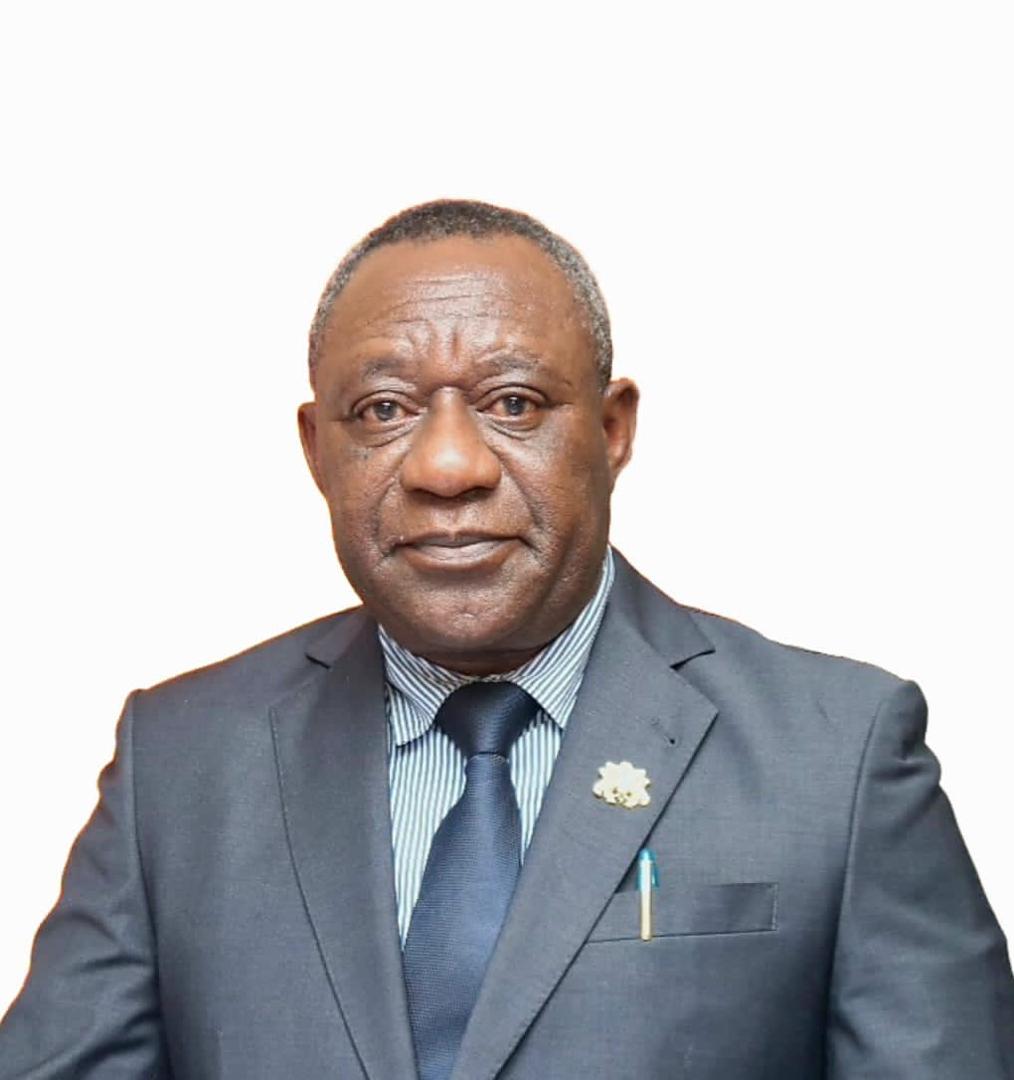
An aspiring Ashanti Regional Chairman of the New Patriotic Party (NPP), Dr. Henry Kwabena Kokofu, has criticized the National Democratic Congress (NDC) government under President John Dramani Mahama, accusing it of mismanaging the country’s economy and pursuing policies that do little to promote sustainable economic growth.
Speaking in an interview with Oheneba Nana Asiedu on the Wontumi Privilege Morning Show, Dr. Kokofu questioned the government’s economic priorities, arguing that public funds should be directed toward job creation rather than efforts aimed at reducing the value of the US dollar.
“If it turns out that the government is pumping money into the system just to suppress the dollar, then such a government will be subjected to shame. The NDC has failed Ghanaians totally,” he stated.
According to him, the recent depreciation of the US dollar against the Ghana cedi benefits only a small segment of the population.
“The dollar depreciation only favours about 10 percent of Ghanaians, especially those who trade outside the country. It means nothing to a cocoa farmer who is struggling to feed his family,” he added.
Dr. Kokofu also took aim at the government’s proposed 24-hour economy policy, claiming it is being implemented for political and personal interests rather than national development.
“The NDC government is building 24-hour markets for its own benefit. They want to import rice from other countries into these markets and profit from it. The NDC has never cared for the country; all they know is how to put money into their own pockets,” he alleged.
He warned that increased food imports could negatively impact local farmers, particularly those who have invested heavily in agricultural production through loans.
“What will happen to Ghanaian farmers if Ghana continues to import food while our farmers have it? It is embarrassing for a country to ignore its own producers and buy from others,” he said.
The former Environmental Protection Agency (EPA) Executive Director further questioned the government’s interpretation of the 24-hour economy concept, arguing that the policy was originally intended to boost productivity rather than encourage consumption.
“The 24-hour market cannot produce anything for the country; it only encourages buying and selling. They want to turn Ghana into a marketplace rather than an economy that produces goods,” Dr. Kokofu asserted.
He maintained that productive sectors such as healthcare should be at the center of any genuine 24-hour economy strategy.
“The 24-hour economy was supposed to involve productive sectors such as hospitals, where nurses and doctors could work in shifts around the clock. Instead, it has now become about building markets. That is very shameful,” he added.
Dr. Kokofu’s comments add to the growing political debate surrounding the government’s economic agenda and the implementation of its flagship 24-hour economy policy, which continues to attract both support and criticism from stakeholders across the country.