

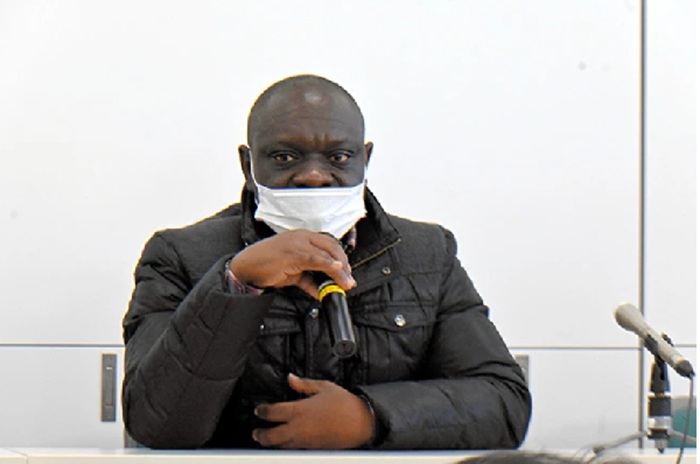
Japan’s Supreme Court has rejected an appeal by a Ghanaian national seeking access to public welfare benefits after his application was turned down because of his foreign nationality, according to a Japan-based Mainichi news report on September 14, 2026.
According to the report, Siaw Johnson Kwaku, a 36-year-old Ghanaian living in Chiba, has been undergoing treatment for chronic kidney failure since 2019. His medical condition has prevented him from working, prompting him to apply for public assistance from the Chiba City authorities.
However, his application was rejected because he did not qualify as a Japanese national under the country’s Public Assistance Act.
Kwaku subsequently challenged the decision in court, arguing that denying him welfare support because he is a foreign national was unconstitutional.
The Second Petty Bench of Japan’s Supreme Court, in a decision dated September 9, 2026, dismissed his final appeal, ruling that he had no grounds for further appeal. The court did not directly address the constitutional question raised by Kwaku.
The decision followed earlier rulings by lower courts that had also rejected his claim.
In January 2024, the Chiba District Court ruled that the Public Assistance Act did not legally guarantee welfare benefits to foreign nationals and that determining whether foreigners should be included among those eligible for protection was a matter for the legislature.
The Tokyo High Court upheld that decision in August 2024.
However, one of the Supreme Court justices, Mamoru Miura, dissented from the latest decision.
Miura, a former prosecutor, argued that excluding foreign nationals undergoing medical treatment and unable to work from public assistance was unconstitutional.
He said people in Kwaku’s situation could face serious threats to their survival if they were unable to maintain a minimum standard of living while receiving medical treatment in Japan.
Miura argued that foreign nationals who are in Japan for medical treatment and cannot work should be eligible for public assistance, and that the Tokyo High Court’s decision should have been overturned and the case returned for further proceedings.