


The Minority Caucus in Parliament has raised serious concerns over what it describes as a growing pattern of “state capture” in Ghana’s mineral sector, warning that recent developments threaten transparency, investor confidence, and institutional integrity.
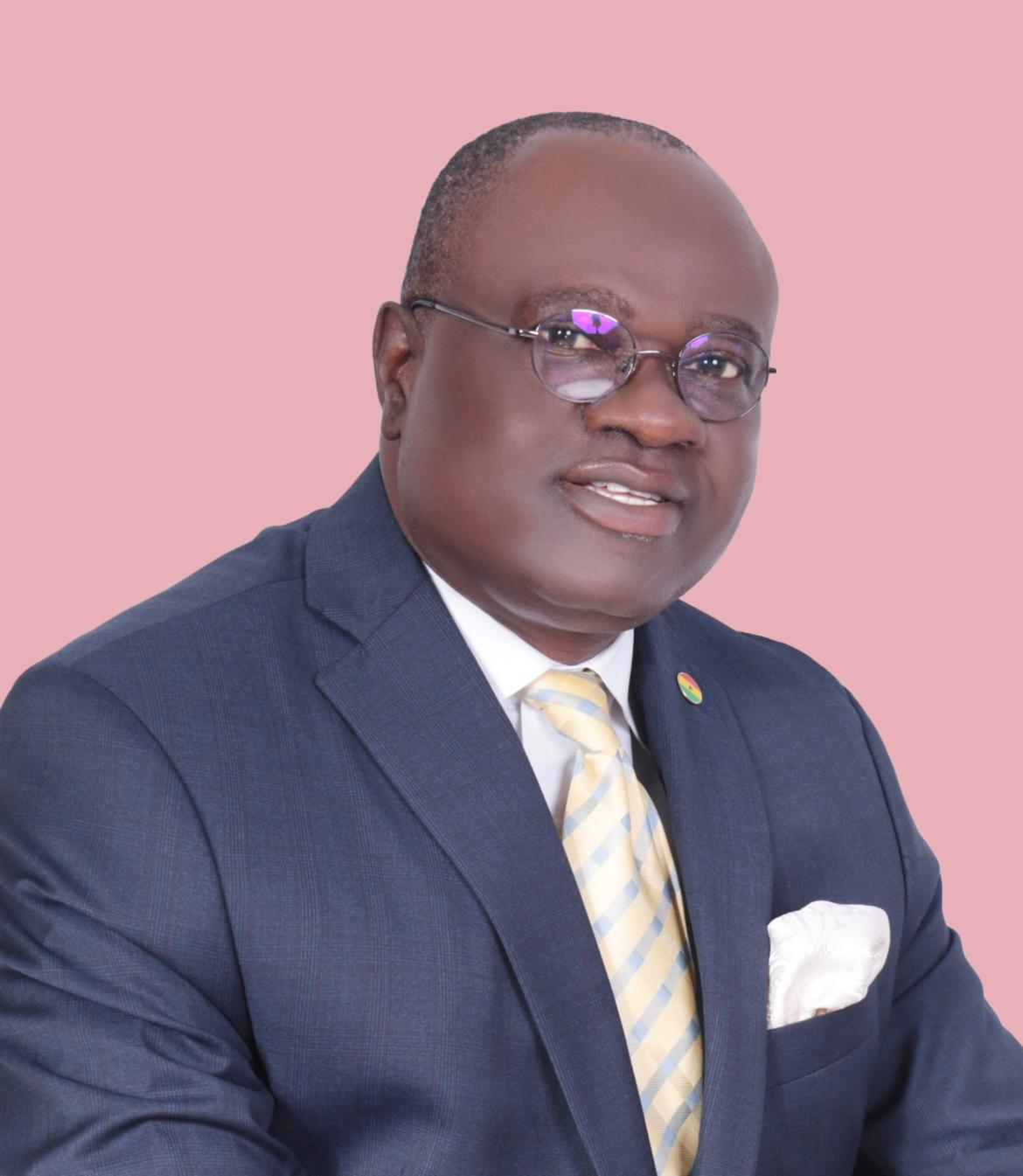
In a strongly worded statement issued on March 18, Ranking Member of the Lands and Natural Resources Committee, Kwaku Ampratwum-Sarpong, accused government-linked interests of exerting undue influence over key national assets and institutions.
At the center of the allegations is businessman Ibrahim Mahama, whose expanding footprint in the mining sector the Minority claims raises serious concerns about fairness and conflict of interest, given his familial ties to President John Dramani Mahama
The Minority pointed to the imminent transition of the Damang Gold Mine from Gold Fields Ghana to state control as a major source of concern. With less than a month to the takeover, they say there is no clarity on who will operate the mine, how the selection process is being conducted, or what financing arrangements are in place.
According to the caucus, the absence of publicly available information has created uncertainty among workers and contractors, while also posing risks to government revenue and investor confidence.
“This is not mere administrative delay. It reflects a troubling lack of transparency at the highest levels,” the statement noted.
The Minority further cited the acquisition of the Black Volta and Sankofa Gold Projects by Engineers & Planners, a company owned by Ibrahim Mahama, as a “disturbing case study.”
They alleged that the takeover was facilitated through access to significant financing—reportedly about $100 million—secured under circumstances involving political influence and pressure on previous asset holders.
While acknowledging these claims may require verification, the caucus maintained that the pattern suggests the use of state-linked financial power to transfer strategic assets into private hands connected to political authority.
Concerns were also raised about the Nyinahin bauxite deposits under the Ghana Integrated Aluminium Development Corporation (GIADEC). The Minority claims that lease arrangements and allocation processes lack transparency, with limited public disclosure.
Additionally, the caucus alleged a growing overlap between leadership of key mineral sector institutions and individuals with past or present ties to Ibrahim Mahama’s business interests. These include appointments within GIADEC, the Minerals Commission, and the Minerals Income Investment Fund (MIIF).
The Minority argues that, taken together, these links point to a broader consolidation of influence over both assets and regulatory bodies.
The caucus warned that the perceived lack of transparency and fairness could damage Ghana’s reputation as a stable investment destination.
They cited a reported decline in Ghana’s ranking on the global mining investment attractiveness index, attributing it to rising investor concerns over governance in the sector.
“When investors see opaque processes and politically influenced transactions, confidence erodes, capital retreats, and opportunities diminish,” the statement said.
The Minority is calling for immediate government action, including:
Full disclosure of the next operator of the Damang Mine
Publication of the selection and evaluation process
Transparency on financing and fiscal arrangements
Disclosure of all transactions related to the Black Volta and Sankofa projects
Clear conflict-of-interest safeguards across sector institutions
They described these demands as “minimum standards of accountability in a democratic state.”
As of the time of filing this report, the government had not issued an official response to the allegations.
The Minority insists that Ghana’s mineral resources must remain under transparent and accountable management, warning that failure to address these concerns could entrench systemic governance challenges.
They further indicated that any future administration would review all transactions deemed to undermine the national interest and take appropriate legal action where necessary.
Story By: Sheila Otuo-Baffour